


Prepping for Power Cuts: Essential Tips for Every Home
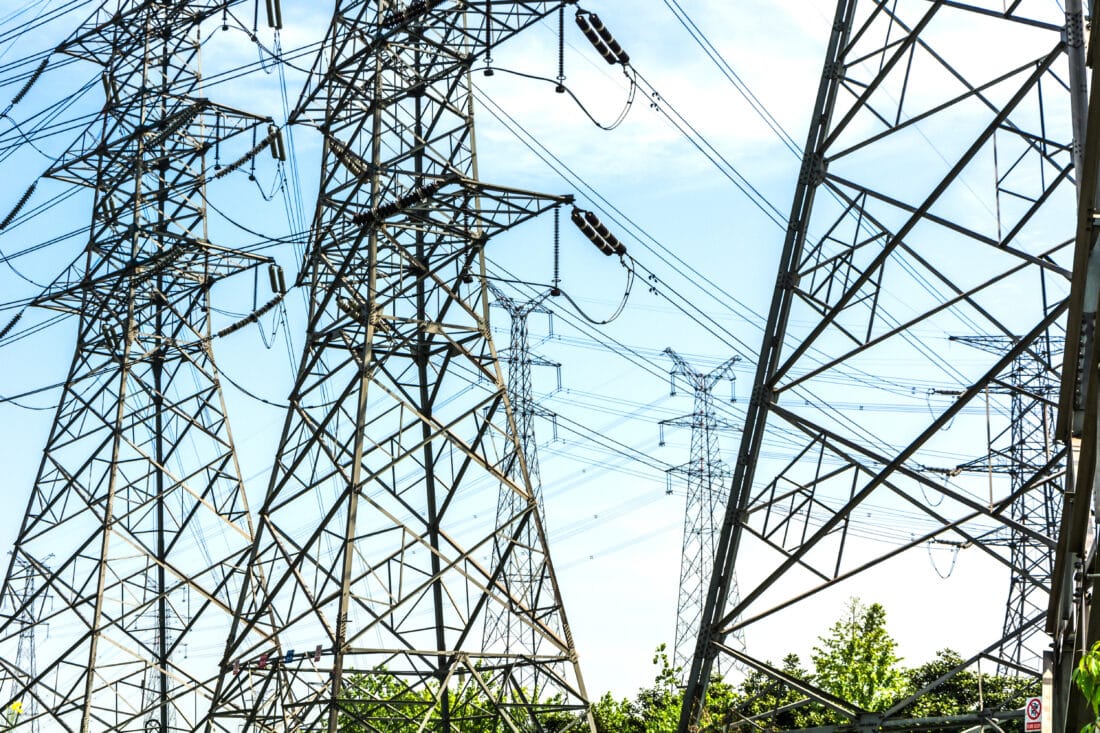
Power cuts can strike unexpectedly, leaving homeowners scrambling for solutions when prepping for power cuts. Whether caused by severe weather, system faults, or unexpected events, losing electricity can disrupt daily life, making it difficult to manage household tasks, keep food fresh, and maintain a comfortable environment for your family.
For families, the implications of a power cut go beyond mere inconvenience; they can affect safety, access to essential items, and even peace of mind. Understanding how to prepare for a power outage is crucial to ensure your home remains a safe haven during these challenging times.
Understanding Power Cuts
A power cut occurs when the electrical supply is interrupted, often leading to immediate challenges for homeowners. Common causes include severe weather events, such as storms or high winds, that can damage infrastructure, as well as equipment failures and planned maintenance. Recognising these triggers can help you take proactive steps in prepping for power cuts, ensuring you’re ready for whatever comes your way.
The duration of power cuts can vary widely. Localised issues might resolve in a few hours, while extensive cuts due to severe conditions or significant infrastructure damage can last for days. Knowing the potential length of a power cut allows families to make informed decisions about essential supplies and backup plans, helping to alleviate the stress of uncertainty and maintain a sense of normalcy during challenging times.
Preparing for a Power Outage
You never want to wait until a power cut to realise you are completely unprepared for the challenges it brings. Sudden blackouts can disrupt your routine and put your family’s safety at risk. But how are you meant to know what to prepare for? We’ve put together some essential points to help you effectively start prepping for power cuts before they even hit. From identifying your household’s needs to stocking up on emergency supplies, these tips will ensure you’re ready when the lights go out.
Assessing Your Essential Needs
Before a power cut strikes, take stock of essential items in your home that depend on electricity. This includes crucial appliances like fridges, medical devices, and any necessary home technology. By keeping track of these essential items, you’ll be better equipped to choose a generator that delivers sufficient power to keep them running smoothly.
Essential Emergency Supplies
Prepping for a power cut means gathering the right emergency supplies to keep your family safe and comfortable. Stock up on essentials such as non-perishable food, bottled water, and torches with spare batteries. Keeping your fridge and freezer doors closed can help maintain a safe temperature; a full freezer can keep food frozen for about 48 hours if unopened. By being well-prepared, you can help ease the strain of a power outage.
Consider Purchasing a Backup Generator
As we mentioned earlier investing in a generator can greatly enhance your readiness for prolonged power cuts. Generators serve as an emergency power supply, keeping essential appliances running and protecting your food from spoiling. You have two main options: portable and standby generators. Portable generators are versatile and can power multiple devices, while standby generators automatically kick in during an outage, but are way larger than portable solutions. Always follow safety guidelines when using a generator-position it outdoors, away from windows and doors, to avoid carbon monoxide poisoning, and store fuel safely.
Medical Preparedness
For households with individuals who rely on power-dependent medical devices, having a solid plan is crucial when prepping for power cuts. Consult your GP to establish a power outage strategy that includes backup power solutions for these vital devices. Additionally, ask about the safe storage duration for medications that need refrigeration and devise backup plans for life-critical items. Being proactive in these matters will help ensure your family is prepared for any challenges that may arise during a power cut.
Actions to Take During a Power Outage
The actions you take during a power cut can greatly depend on its severity. While some cuts may be brief and manageable, others can extend for hours or even days, requiring a more comprehensive response. In this section, we aim to cover both ends of the spectrum. From essential safety precautions to practical steps for staying informed and accessing community resources, we’ve compiled guidance to help you navigate the challenges of prepping for power cuts effectively, ensuring you and your family remain safe and prepared.
Prioritising Safety Precautions
When a power cut occurs, your first priority should always be safety. Stay clear of hazards like downed power lines and avoid using candles, as they pose fire risks. Disconnect appliances to prevent potential surges when power returns, protecting your electronics from damage. Even in less severe situations, it’s wise to remain cautious and ensure that your home stays a safe environment for your family during these challenging times.
Staying Informed
Staying informed during a power cut is essential for ensuring your family’s safety and preparedness when prepping for power cuts. If you’re experiencing a brief outage in the UK, you can report it to your local network operator by dialling 105. This service allows you to stay updated on the situation and receive any necessary assistance.
In the event of a more serious power cut, having a battery-operated radio on hand can be invaluable. It enables you to keep up with updates from your local services, providing crucial information about the cause of the outage, expected restoration times, and any safety advisories.
Additionally, consider following local news channels on social media or downloading emergency apps, as these can offer real-time updates and alerts. Being proactive in seeking information not only helps you stay informed but also allows you to make better decisions for your family’s well-being during challenging times.
Accessing Community Resources
While many power outages are resolved quickly, it’s good to know your options in case of extended disruptions. Familiarise yourself with local community resources, such as libraries or community centres, that may offer Wi-Fi, charging stations, or places to stay warm or cool. These facilities can serve as a comfortable refuge and provide access to important information until power is restored, ensuring you stay connected and informed.
Backup Generator Safety
Having a generator ready for an outage is a great way to stay prepared for power cuts, but it isn’t just as easy as whipping it out of the garage. Understanding how to use generators correctly is crucial for ensuring safety and preventing hazards, particularly carbon monoxide (CO) poisoning. While generators can provide an emergency power supply during extended outages, improper use can lead to serious risks for you and your family. Always operate generators outdoors in well-ventilated areas, far from doors, windows, and vents to prevent CO fumes from entering your home. By being knowledgeable and proactive, you can effectively ensure your family’s safety while prepping for power cuts.
Follow these essential tips for safe generator use:
- Location: Always place your generator outside, at least 20 feet away from your home. Avoid positioning it near any openings where exhaust could seep inside.
- Installation: If you have a standby generator, ensure it is professionally installed to comply with safety standards. This helps avoid dangerous electrical issues and potential back-feeding into the grid.
- Regular Maintenance: Like any equipment, your generator needs regular servicing to operate efficiently. Check the oil, fuel, and filters periodically, and follow the manufacturer’s guidelines for maintenance. If you find any issues with it be sure to have your generator repaired. This not only ensures your generator is ready when you need it but also prolongs its lifespan.
- Fuel Storage: Store fuel safely in approved containers, away from living areas, and keep in mind that fuel can deteriorate over time. It’s wise to rotate your fuel supply every few months to ensure it remains usable.
- Usage Guidelines: Familiarise yourself with your generator’s wattage capacity to avoid overloading it. Make a list of essential devices you plan to power and ensure the total wattage does not exceed the generator’s limits.
- Electrical Connections: Never plug your generator directly into a wall outlet. Instead, use heavy-duty extension cords to connect appliances directly to the generator, ensuring they are rated for the power load you are using.
Prepping for power cuts is essential for ensuring the safety and comfort of your home and family. By taking proactive steps now, you can significantly reduce the stress and uncertainty that comes with unexpected disruptions. We encourage you to gather your supplies, create an emergency plan, and make sure your loved ones know what to do when the lights go out. Don’t wait for an outage to realise you’re unprepared, act now to keep your household safe and secure during power cut