


Plug-In Solar Regulations: UK Rules Explained (2026 Update)
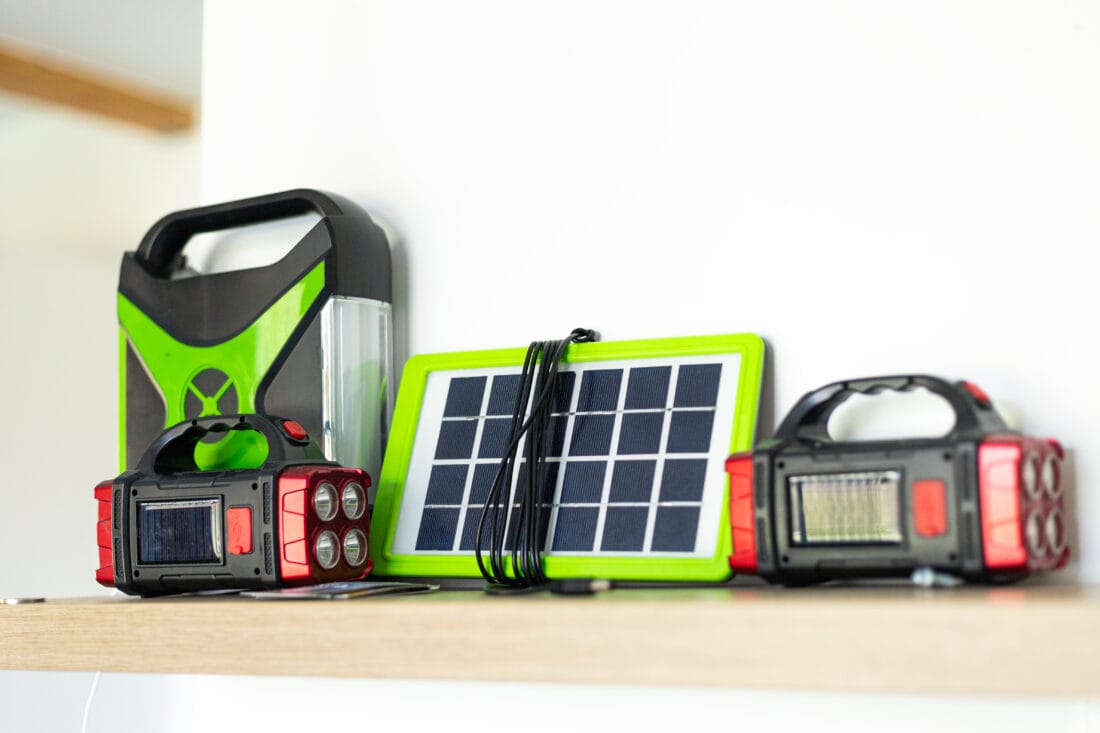
Plug-in solar regulations in the UK are changing, making it easier than ever for homeowners to generate their own electricity without a full rooftop installation. With the introduction of BS 7671 Amendment 4 in April 2026, small-scale plug-in solar systems are now being formally recognised, with clearer guidance on how they can be safely used in domestic properties.
In simple terms, plug-in solar allows you to connect solar panels directly to your home’s electrical system, helping to reduce energy bills without the cost or complexity of a traditional solar setup. However, while the rules are evolving, there are still important limits and installation considerations to be aware of.
This guide breaks down the latest plug-in solar regulations, explains what’s legal right now, and outlines what’s expected to change later in 2026, so you can understand exactly where you stand before investing in a system.
What is Plug-In Solar?
Plug-in solar is a simple way to generate electricity at home without the need for a full rooftop installation. Rather than being permanently wired into your consumer unit, these systems allow solar panels to connect directly to your property through a standard plug socket.
A typical setup includes one or more solar panels paired with a microinverter. The panels generate direct current (DC) electricity, which is then converted into usable alternating current (AC) by the microinverter. This electricity is fed straight into your home’s circuits, where it can be used immediately by appliances already in use.
Because the energy is used as it’s generated, plug-in solar helps reduce the amount of electricity you need to draw from the grid, lowering overall energy costs without requiring major installation work.
You may also see plug-in solar referred to as plug-and-play solar or balcony solar systems. These terms all describe the same concept: a more accessible, lower-commitment way to introduce solar power into a property.
This makes plug-in solar particularly suited to flats, rented homes, and properties where traditional roof-mounted systems aren’t practical or permitted.
Are Plug-In Solar Panels Legal in the UK?
Plug-in solar panels are in the process of becoming fully recognised under UK regulations, but the current position sits somewhere between permitted and evolving.
As of April 2026, the introduction of BS 7671 Amendment 4 has formally acknowledged small-scale plug-in solar systems within the UK’s electrical safety framework. This marks a significant step forward, as it provides clearer guidance on how these systems can be used safely in domestic properties.
However, while systems up to 800W plug-in solar kits are expected to be widely accepted, full approval for plug-and-socket installation is not yet fully implemented in practice. At present, the most compliant approach is to have the system connected via a dedicated circuit or installed by a qualified electrician, rather than simply plugging it into a standard socket.
Government-backed changes are expected to come into effect later in 2026, which will make true plug-and-play solar far more straightforward for homeowners. Once these updates are fully in place, households will be able to install sub-800W systems with minimal installation requirements, opening up solar to a much wider audience.
In short, plug-in solar is not banned in the UK, but it must currently be installed with consideration to existing electrical regulations. The direction of travel is clear, with regulations moving towards making these systems easier and more accessible to use safely in everyday homes.
What Changed in 2026? (BS 7671 Update)
The key shift in 2026 comes from the release of BS 7671 Amendment 4, which updates the UK’s wiring regulations to better reflect the growing use of small-scale, decentralised energy systems such as plug-in solar.
Historically, UK electrical regulations were built around fixed installations, where generation systems were permanently wired into a property’s consumer unit. Plug-in solar didn’t fit neatly into this model, which is why there has been uncertainty around whether these systems could be used safely via a standard socket.
Amendment 4 begins to address this by recognising low-capacity generation systems and introducing clearer guidance on how they can operate within a domestic electrical setup. This includes considerations around load balancing, circuit protection, and ensuring that electricity fed into the home does not create safety risks.
A key part of this update is the informal standardisation around systems up to 800W. This threshold aligns with broader European approaches to plug-in solar and reflects a level of generation that can typically be accommodated within a standard household circuit without overloading it.
While this does not immediately translate to unrestricted plug-and-play use, it lays the groundwork for wider regulatory approval. It effectively bridges the gap between traditional fixed solar installations and more flexible, accessible systems that can be installed without major electrical work.
For homeowners, the important takeaway is that plug-in solar is now being actively incorporated into UK regulations rather than sitting outside of them. The 2026 update is a clear signal that these systems are moving towards mainstream adoption, with further clarification and simplification expected as the year progresses.
Do You Still Need an Electrician?
Whether you need an electrician for a plug-in solar system in the UK depends on how the system is being used and how closely you want to align with current electrical guidance.
As it stands, plug-in solar is still working within evolving regulations. Because of this, the most cautious and compliant approach is to have a system installed or checked by a qualified electrician, particularly if it’s intended for more permanent use within the home’s electrical setup.
That said, modern plug-in solar systems are designed to be simple and accessible. Smaller setups, such as 300W plug-in solar kits, are often used as flexible, easy-to-manage options for generating electricity in spaces like gardens, balconies, or outbuildings. Many households also opt for more balanced systems like a 400W plug-in solar kit, which provides a practical level of generation for everyday use without requiring significant space. Larger systems follow the same principle, just with greater output to support more of a property’s energy usage.
As regulations continue to develop through 2026, the overall direction is towards making these systems easier to use safely without the need for complex installation. The goal is to allow homeowners to benefit from solar power in a way that fits more naturally into everyday living.
For now, the key consideration is safety. Ensuring that any system is suitable for your property and used correctly is essential, and where there’s any uncertainty, speaking to a qualified electrician remains the best course of action.
Where Can Plug-In Solar Be Used?
One of the biggest advantages of plug-in solar is its flexibility. Unlike traditional solar installations, which are typically fixed to a roof, plug-in systems can be used in a wide range of everyday environments without major installation work.
Because these systems are designed to work with standard electrical setups, they can be positioned wherever there is good access to sunlight and a practical way to connect them to your property.
For many households, this opens up far more options for generating solar energy, including spaces that wouldn’t normally be considered suitable for solar panels.
Common use cases include positioning panels in gardens, on patios, or alongside outbuildings such as garages and sheds. They are also well-suited to balconies and smaller outdoor spaces, making them a viable option for flats and properties without roof access.
Smaller plug-in solar setups, such as 300W systems, are often used in more compact or flexible environments where space is limited or where portability is useful. At the same time, larger systems follow the same principle, allowing homeowners to make greater use of available space to generate more electricity throughout the day.
Ultimately, plug-in solar can be adapted to suit the layout of the property, giving homeowners the ability to introduce renewable energy in a way that fits their space, rather than being restricted by it.
Is Plug-In Solar Worth It in the UK?
For many households, plug-in solar offers a practical and low-barrier way to start reducing electricity costs without committing to a full rooftop installation.
Because the system feeds electricity directly into your home, any power generated is used instantly by appliances running during the day. This means less reliance on grid electricity and a steady reduction in overall energy bills over time.
How Much Can Plug-In Solar Save You?
The amount you can save depends on system size, positioning, and how much electricity you use during daylight hours.
In the UK, a typical plug-in solar setup can generate between 250 kWh and 800 kWh per year, depending on output and conditions.
- A 300W plug-in solar system can generate around 250–300 kWh per year, helping to offset background energy usage such as routers, appliances on standby, and everyday essentials.
- An 800W plug-in solar system can generate approximately 670–800 kWh per year, supporting a larger portion of a household’s daytime electricity demand.
Based on an average electricity cost of around 27p per kWh, this equates to potential annual savings of:
- £65 to £80 per year for a 300W system
- £180 to £216 per year for an 800W system
Actual savings will vary depending on sunlight exposure, system placement, and how effectively the generated energy is used within the home.
Easy to Install and Get Started
Beyond cost savings, one of the biggest advantages of plug-in solar is how straightforward it is to get started compared to traditional solar systems. There’s no need for major structural work such as roof mounting or extensive rewiring, making it a far more accessible option for many properties.
Plug-in solar systems are designed to work alongside your existing electrical setup, allowing them to be introduced with minimal disruption. This makes them suitable for a wide range of environments, including rented homes, flats, and properties where permanent installations may not be practical.
However, as with any electrical equipment, it’s important that systems are used safely and in line with current UK guidance. Depending on the setup, having a qualified electrician install or check the system can help ensure everything is configured correctly and operating as intended.
Whether it’s a smaller 300W setup for a balcony or garden space, or a larger system making use of more available sunlight, the overall appeal remains the same, a simple and accessible way to start generating solar energy at home.
FAQs: Plug-In Solar Regulations
Do I need permission to use plug-in solar at home?
In most cases, plug-in solar systems do not require planning permission, as they are considered small-scale and non-permanent installations. However, if you live in a listed building or conservation area, it’s always worth checking with your local authority before installing any equipment externally.
For flats or rented properties, you may also need permission from a landlord or building management, particularly if the system is being placed on a balcony or shared space.
What happens to unused electricity?
Plug-in solar systems are designed to power your home in real time. If your property isn’t using all the electricity being generated, the excess energy may flow back into the grid.
However, unlike larger solar installations, plug-in systems are not typically set up with export tariffs or formal grid agreements, so any unused electricity is usually not paid for. This is why using energy during daylight hours can help maximise savings.
How long do plug-in solar panels last?
Most modern solar panels are built to last 20–25 years or more, with gradual reductions in efficiency over time rather than sudden failure. Microinverters and other components may have shorter lifespans, but are typically covered by manufacturer warranties.
With minimal maintenance required, plug-in solar systems offer a long-term way to generate electricity and reduce energy costs over time.
Can plug-in solar be used all year round in the UK?
Yes, plug-in solar systems will generate electricity throughout the year, including during winter months. However, output will vary depending on daylight hours and weather conditions, with higher generation during spring and summer.
Even in less optimal conditions, systems can still contribute to reducing overall electricity usage.