


What Are the Best Plug-in Solar Panels for Flats or Apartments?
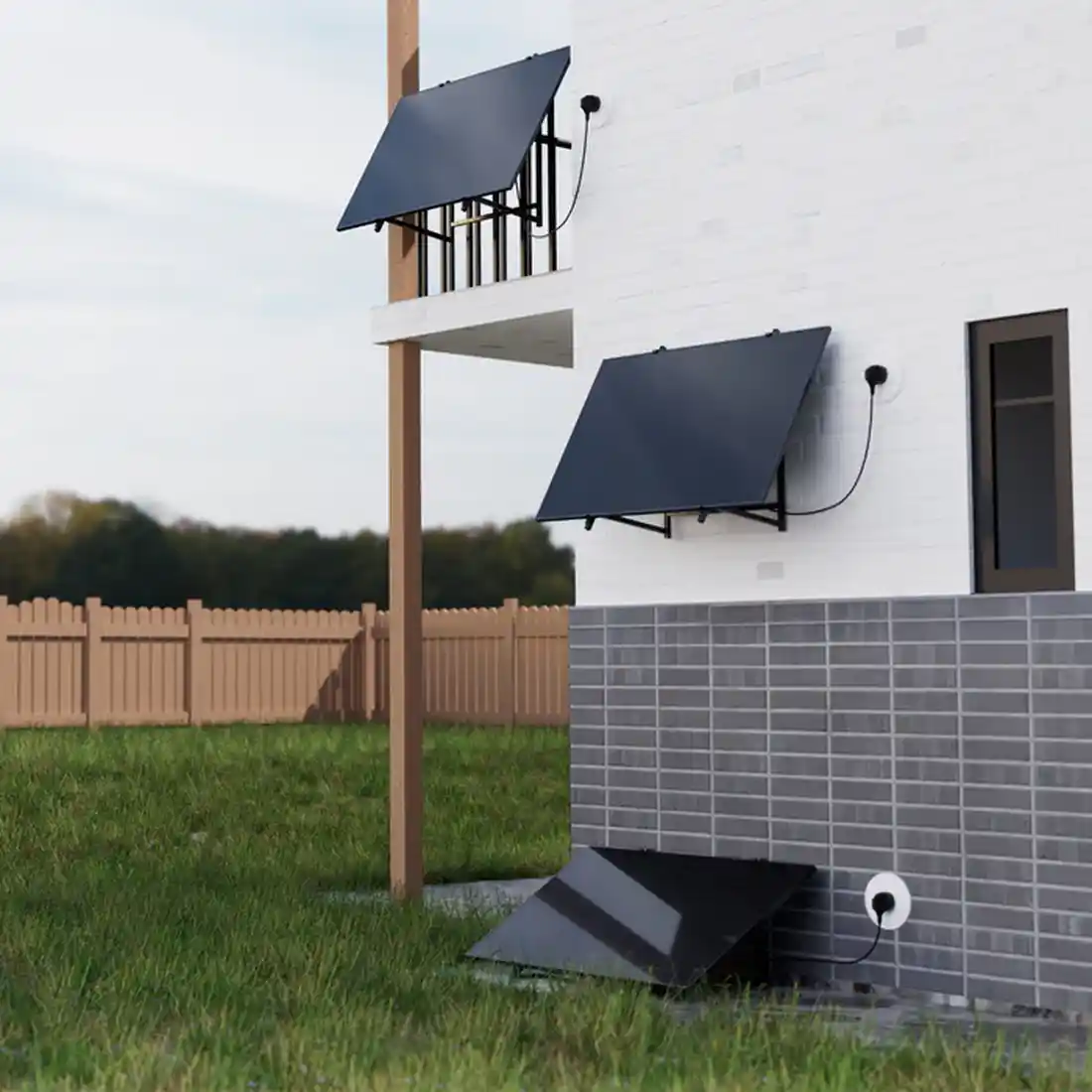
For most flat owners and renters, the idea of generating your own electricity has always felt out of reach. Rooftop solar means scaffolding, structural surveys and a qualified installer. If you rent your home or cannot access the roof, that conversation tends to end before it starts.
Plug-in solar panels are built around a different idea entirely. They mount on a balcony railing or terrace, connect to a standard UK socket and can be up and running in an afternoon. Hampshire Generators stock a range of plug-in solar kits designed specifically for this type of setup, from compact flexible panels for smaller balconies through to rigid systems built for permanent installation. If you are new to plug-in solar, our guide to the plug-in solar revolution covers the basics before you start comparing kits.
How Plug-in Solar Actually Works
Each kit from Hampshire Generators includes everything you need to get started: solar panels, a microinverter, mounting brackets, cabling and a plug-in cable that connects directly to a standard UK socket. There is no rewiring involved and no need to modify your consumer unit.
Once connected, the microinverter converts DC electricity from the panels into AC power that feeds directly into your home circuit. Your appliances draw from the solar supply first before pulling from the grid, which cuts your consumption automatically without you needing to do anything.
A question that comes up often is whether plug-in solar can overload a household socket. At a maximum output of 800W, these systems operate comfortably within the capacity of a standard UK circuit. The microinverter manages output automatically, so there is no risk of the system pushing more electricity into the circuit than it can handle.
During a power cut, the system shuts down automatically. This is a safety feature that prevents electricity feeding back into the grid while engineers are working on the lines.
All panels in the Hampshire Generators range are rated for outdoor use and built to handle UK weather year-round. Beyond an occasional clean to keep the panel surface clear, they require very little ongoing attention.
Balcony Solar vs. Rooftop Solar
The difference between the two comes down to commitment and access.
Rooftop solar is a permanent installation. It delivers higher output, but the upfront cost is significant, the installation takes days and the system stays with the property when you leave. For homeowners with the right setup it makes sense. For anyone else, it is rarely worth pursuing.
Plug-in solar works on a completely different scale. A kit arrives in a single box, installs in a few hours and can be taken down just as quickly. Output is lower than a rooftop system, but for households looking to cut daytime electricity costs without a long-term commitment, the savings are real and measurable from day one.
What Renters Need to Know
Renters are one of the biggest audiences for plug-in solar, and for good reason. These systems are designed to be installed without permanent changes to the building, which means most setups will not conflict with a standard tenancy agreement.
That said, it is always worth checking with your landlord before fitting anything externally. A balcony railing mount typically leaves no lasting mark, but confirming first avoids any potential issues down the line.
Portability is one of the strongest arguments for plug-in solar if you rent. When your tenancy ends, the system comes with you. That makes it a long-term investment rather than something you leave behind for the next tenant.
From a regulatory standpoint, renters can also buy with confidence. As of April 2026, plug-in solar is formally recognised under BS 7671 Amendment 4, with 800W set as the maximum permitted output for domestic properties. Planning permission is not required for most standard balcony setups. Our guide to UK plug-in solar regulations covers what this means in practice.
How to Choose the Right Kit
Best for Renters and Smaller Balconies
The 400W kit is the most practical starting point for compact balconies and first-time buyers. Featuring lightweight rigid solar panels, the kit requires no permanent fixings and can be easily relocated when your tenancy ends, generating up to 350 kWh per year.
Best for Larger Balconies and Higher Usage
The 800W kit suits households with more outdoor space and higher daytime electricity usage. It generates up to 750 kWh per year, hits the maximum output permitted under current UK rules and stays portable enough for renters with larger balconies.
Location and Orientation
South-facing balconies deliver the best results in the UK. East and west-facing spaces still generate useful output during morning and afternoon hours. Aim for a tilt of around 30 to 40 degrees and avoid shading from nearby walls or overhangs where possible.
You can browse the full plug-in solar range to compare all options before deciding.
Can You Expand a Plug-in Solar Setup Later?
Yes, and for many flat owners it is the most sensible approach. Starting small gives you a clear baseline of how much electricity you are offsetting on a typical day before committing to a larger system.
Hampshire Generators offer kits at three different output levels, giving you a natural upgrade path as your energy needs grow. If you are completely new to plug-in solar, the 300W pop-up kit is the lowest commitment starting point. It is lightweight, portable and easy to set up without any permanent fixings, making it a practical way to test how much output your balcony or outdoor space can realistically generate.
From there, stepping up to a 400W or 800W system brings a meaningful increase in the electricity you can offset. If you think you might want to scale up later, factor that into your buying decision from the start rather than having to rethink your setup entirely further down the line.